You’ve got a property to rent out, but what do you actually need to do before you hand over the keys? Here’s a simple guide for landlords in England, with links to the paperwork along the way.
- Get your property ready
Start by checking whether you need permission from your mortgage lender or freeholder, and whether your council requires a rental licence. If you’re local, you can check the licensing rules in Doncaster,
Look up your Energy Performance Certificate (EPC). If you need one and yours is missing or expired, arrange a new one before you advertise. Most rentals covered by the energy efficiency rules need at least an E rating unless an exemption applies. Find your EPC · Check the EPC rules.
When you list the property, put the asking rent in the advert. That’s the most you can accept. See the government’s rules on advertising a rental.
- Find a tenant and do your checks
Once someone is interested, you can ask for references and check they can afford the rent. You can make a simple application form yourself, and you can’t charge the applicant for referencing. Before the tenancy starts, check the Right to Rent of each adult who will live there and keep a record. Check which fees are allowed · Follow the Right to Rent checklist.
- Get the agreement and deposit paperwork sorted
For a typical new private let in England, use an **assured periodic tenancy agreement . That means the tenancy rolls on without a fixed end date. Send the tenant the required written information before you agree the tenancy. You can put it all in the agreement and send it over for them to read before you both sign. Get a tenancy agreement template · Check what the agreement needs to include.
If you take a holding deposit to reserve the property, it’s capped at one week’s rent. If you take a tenancy deposit, the cap is usually five weeks’ rent. You have 30 days from receiving the tenancy deposit to protect it in an approved scheme and give the tenant the required paperwork, called prescribed information. Your chosen scheme can provide it. Check the deposit limits · Choose an approved deposit scheme.
Wait until you’ve both signed the agreement before asking for or accepting rent. For a monthly tenancy, you can usually ask for up to one month’s rent between signing and move\-in. Check the rent payment rules.
- Get ready to hand over the keys
Give your tenant a copy of the EPC, the gas safety record if the property has gas, and the electrical safety report (EICR). A Gas Safe registered engineer provides the gas record, and a qualified electrician can provide the electrical report. Check the gas and alarm rules · Check the electrical safety rules.
On move-in day, test the required alarms and walk through the property with your tenant. You can make your own inventory. Take dated photos, write down the condition of each room, and note the meter readings and how many keys you’ve handed over, Give your tenant a copy so you both have the same record.
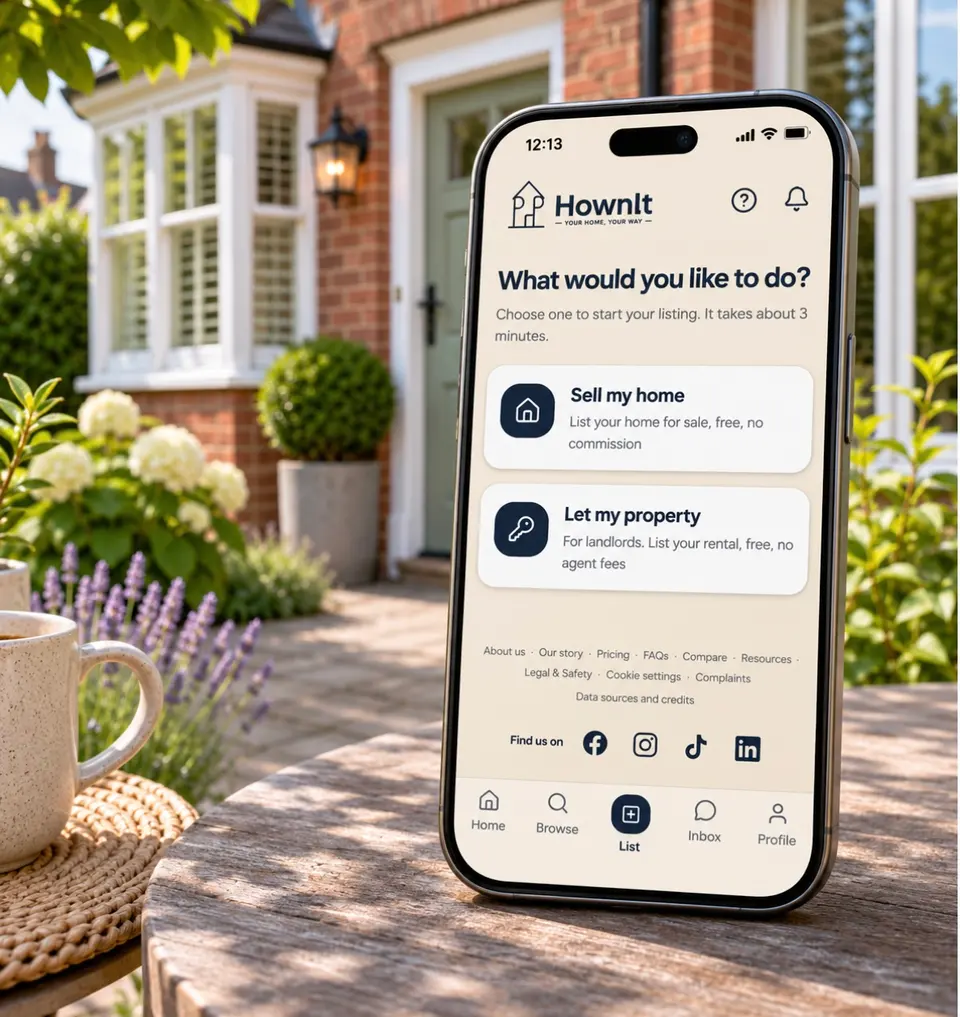
Ready to advertise? List your rental on HownIt and let interested tenants contact you directly.